our Garden Advice Blog

Our garden advice articles are designed to help homeowners better understand how to care for and improve their outdoor spaces. From seasonal gardening tips to practical guides on garden restoration and maintenance, we share insights based on real experience working in gardens across Oxfordshire.

Root & Wild Root & Wild

How to Restore an Overgrown Garden: A Step-by-Step Guide

If your garden has become overgrown or difficult to manage, you're not alone. This guide explains the key steps involved in restoring a neglected garden and bringing it back to life.
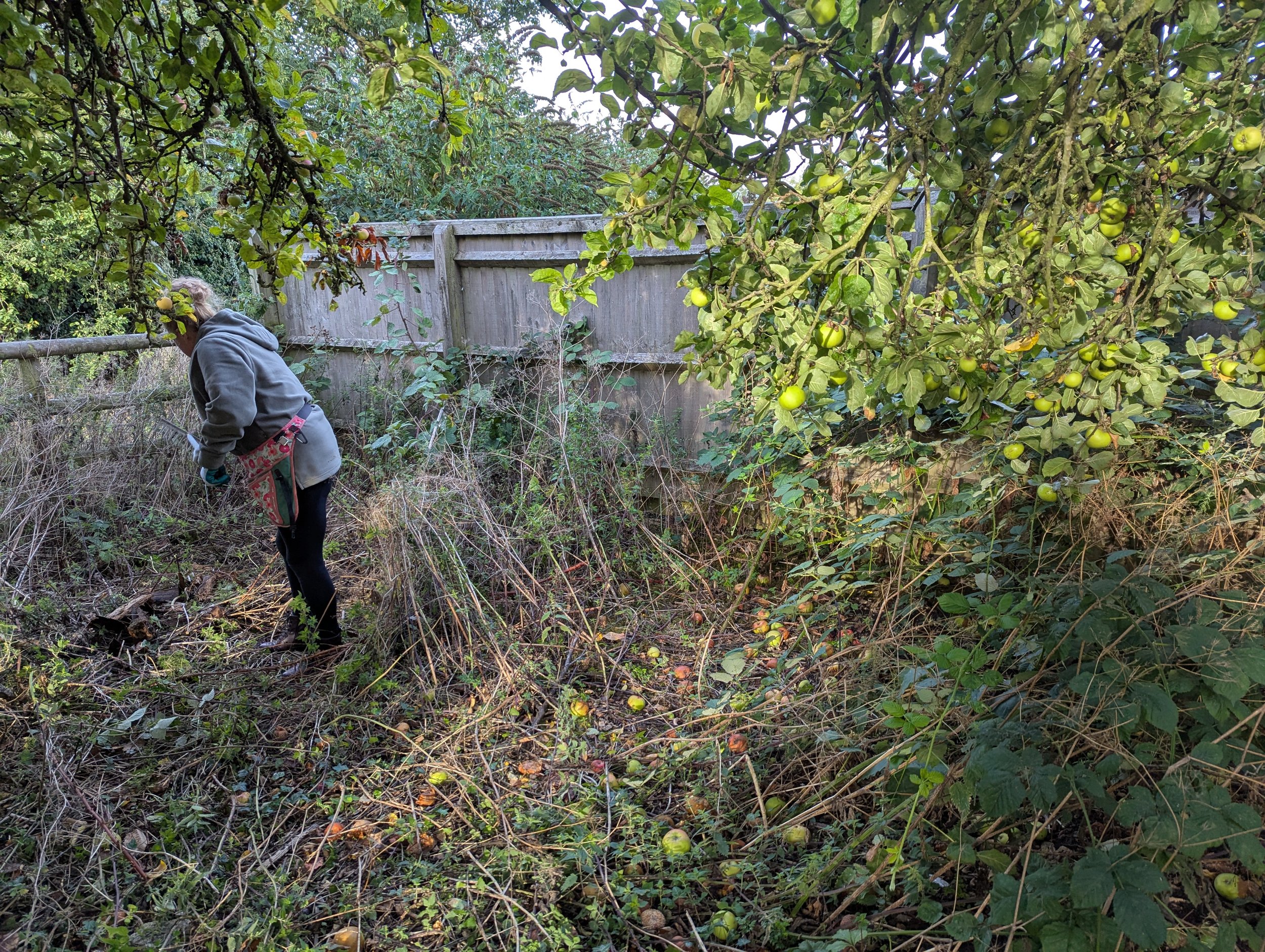
If you’re standing in front of an overgrown garden and wondering where to start, you’re not alone.

Many homeowners find themselves in this situation after moving into a new property, inheriting a neglected garden, or simply letting things get out of hand over time. What was once a pleasant outdoor space can quickly become overwhelming when hedges grow out of control, borders fill with weeds and lawns disappear beneath long grass.

The encouraging news is that almost any garden can be brought back to life with the right approach.

In this guide, we’ll walk through the key steps involved in restoring an overgrown garden and gradually bringing structure, health and beauty back into the space.

Start With a Clear Assessment

Before reaching for tools or removing plants, it’s worth taking a step back and looking carefully at the garden as a whole.

Many neglected gardens still have strong foundations beneath the overgrowth. Mature shrubs, established trees and well-positioned borders are often hidden under layers of weeds or unpruned growth. Identifying what is worth keeping is one of the most important parts of the restoration process.

Walk through the garden slowly and consider which plants could be preserved, which areas have become unusable, and whether any paths, patios or beds still exist beneath the vegetation. Sketching a rough layout can help you see the garden more clearly and plan the work ahead.

Clear the Largest Problems First

When beginning the restoration, it’s usually best to deal with the biggest obstacles first. Dense brambles, fallen branches, accumulated debris and large areas of invasive weeds often dominate neglected gardens and make it difficult to even move around the space.

By removing these larger problems first, you quickly open up the garden and make it far easier to see its original structure. In many cases, the first stage of restoring a garden is simply reclaiming access to different areas so that more detailed work can begin.

Once the bulk of the overgrowth has been cleared, the garden often feels far less intimidating.

Reduce Overgrown Hedges and Shrubs

Hedges and shrubs are often the most imposing challenge in overgrown gardens. Left unmanaged for several years, they may have grown far taller and wider than intended, sometimes becoming sparse at the base or dominating surrounding planting.

Careful reduction pruning can often bring these plants back into proportion with the rest of the garden. However, it’s important that reductions are carried out gradually and at appropriate times of year. Cutting certain hedges and shrubs too aggressively can leave them weakened or lead to poor regrowth.

Many established shrubs respond well to rejuvenation pruning, where older stems are removed over time to encourage healthy new growth.

Restore Borders and Planting Areas

Once the main clearance work is complete, attention can turn to the borders and planting beds. These areas are often filled with weeds, self-seeded plants and compacted soil after a period of neglect.

Restoring borders typically involves removing unwanted plants, improving the soil with organic matter and redefining the edges of the beds so they are clearly separated from lawns or paths. During this stage you may also discover valuable plants that had previously been hidden or overwhelmed.

Improving soil health is particularly important. Healthy soil supports stronger root systems and makes it easier for plants to recover and thrive.

Repair or Rebuild the Lawn

Lawns are usually one of the first features to decline when a garden is left unmanaged. Long grass, moss, weeds and compacted soil can quickly turn a lawn into an uneven and unhealthy surface.

In some cases the lawn may simply need cutting back and restoring through aeration, scarifying and overseeding. In more severe situations it may be easier to reseed or rebuild the lawn entirely.

Once restored, regular mowing and seasonal lawn care will help keep the area healthy and usable.

Reintroduce Structure to the Garden

One of the biggest challenges with neglected gardens is that they often lose their sense of structure. Borders blur together, paths become hidden and planting schemes lose their original balance.

As the restoration progresses, reintroducing clear structure helps the garden feel intentional again. This might involve redefining lawn edges, shaping hedges and shrubs, or reopening pathways that had disappeared beneath vegetation.

These simple changes can dramatically improve how the garden feels and functions.

Add New Planting Where Needed

Once the garden has been cleared and reshaped, there are often opportunities to introduce new planting. Filling gaps in borders, adding seasonal interest or introducing pollinator-friendly plants can help revitalise the space.

Choosing plants suited to the garden’s soil, sunlight and overall style will help ensure the garden remains manageable and enjoyable in the future.

Put a Maintenance Plan in Place

Perhaps the most important step in restoring an overgrown garden is ensuring that it does not fall back into neglect.

Gardens are constantly growing and changing, and even well-designed spaces require ongoing care. Regular pruning, lawn care, border maintenance and seasonal work all play a role in keeping the garden balanced and healthy.

With a simple maintenance routine in place, a once-neglected garden can remain beautiful and manageable for many years.

Can You Restore an Overgrown Garden Yourself?

Many homeowners enjoy working in their gardens, and smaller restoration projects can certainly be tackled gradually over time.

However, heavily overgrown gardens can involve a surprising amount of work. Mature shrubs may require specialist pruning, dense weeds can take time to remove properly, and restoring soil and planting beds can be labour intensive.

For larger gardens or more complex restoration projects, experienced gardeners can often help bring the space back under control far more efficiently.

Final Thoughts

An overgrown garden may seem daunting at first, but with a structured approach it can be transformed back into a beautiful and usable outdoor space.

By starting with a clear assessment, removing the largest problems first and gradually restoring planting and structure, even neglected gardens can recover surprisingly well.

With the right care and ongoing maintenance, a restored garden can once again become a place to relax, enjoy and spend time outdoors.

Read More
Root & Wild Root & Wild

How Much Does Garden Maintenance Cost?

Wondering how much a gardener costs? This guide explains typical UK garden maintenance prices, what affects the cost, and what you can expect to pay for professional gardening services.
If you’re thinking about hiring a gardener, one of the first questions you’re probably asking yourself is:

How much is this actually going to cost?

It’s a fair question, and one that many gardening companies don’t answer clearly. The truth is that the cost of garden maintenance varies quite a bit depending on the size of your garden, how often it needs attention, and what kind of work is required.

For homeowners across Oxfordshire and the surrounding villages, these costs can vary significantly depending on the size and maturity of the garden.

In this guide, we’ll walk you through what you can realistically expect to pay, what affects the cost, and how most professional gardeners structure their services.

Quick Answer: Garden Maintenance Costs

Most professional garden maintenance in the UK typically costs:

  • £25–£45 per hour for an independent gardener

  • £180–£300 per day for an individual gardener

  • £250–£450 per day for a professional gardening company

The exact cost depends on the size of your garden, the type of work required, and how often the garden is maintained.

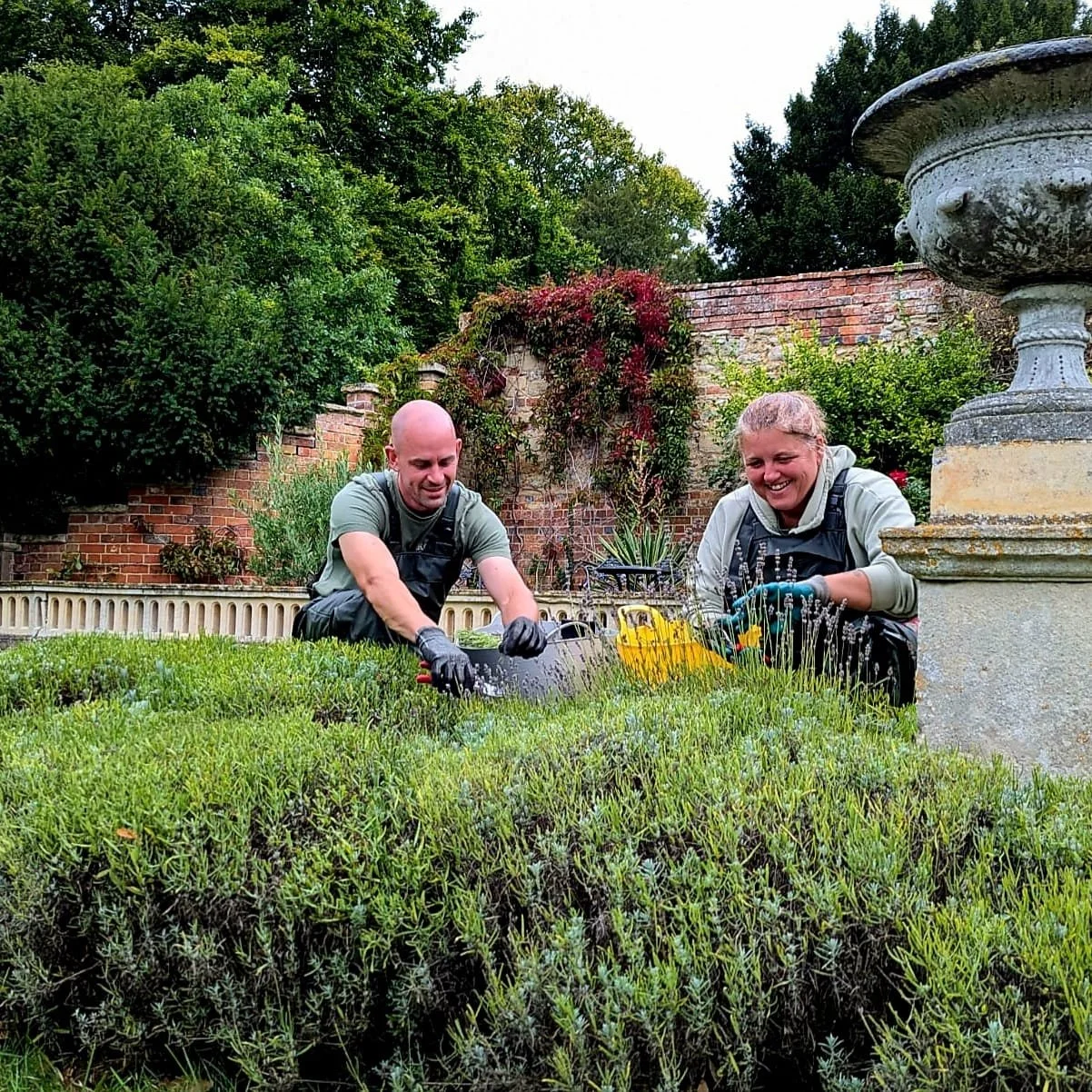
Professional gardeners maintaining a lavender hedge in a formal walled garden with a stone urn and mature planting in Oxfordshire.

Professional gardeners maintaining a lavender hedge in a formal walled garden with a stone urn and mature planting in Oxfordshire.

What You Can Expect to Pay

Across the UK, most professional garden maintenance falls into a few typical pricing ranges.

Individual / Independent gardener (per hour)

£25 – £45

Individual / Independent gardener (per day)

£180 – £300

Professional gardening company (per day)

£250 – £450

Some gardeners charge by the hour, but many professional services work on half-day or full-day rates. This usually allows them to plan the work properly and make meaningful progress in the garden.

When you hire a professional gardener, the price normally includes:

  • Tools and specialist equipment

  • Insurance

  • Experience and horticultural knowledge

  • Travel time between jobs

Some companies may also charge separately for green waste removal, depending on the amount of material generated.

The Size of Your Garden Makes the Biggest Difference

One of the biggest factors affecting cost is simply how large your garden is.

If you have a small town garden, maintenance might only take a couple of hours each month.

If your garden is larger with lawns, borders, shrubs and hedges, it may require a half-day or full-day visit each time.

And if you have a mature or complex garden with lots of planting, it may take multiple gardeners working together to keep everything looking its best.

How Often Your Garden Needs Attention

Another major factor is how frequently you want your garden maintained.

Most gardeners offer schedules such as:

  • Weekly visits

  • Fortnightly visits

  • Monthly visits

  • Seasonal visits

You might assume less frequent visits will cost less, but in reality the opposite can sometimes be true.

When a garden is maintained regularly, small tasks are dealt with before they become bigger problems. Lawns stay healthier, weeds are easier to manage, and plants stay in shape.

If a garden is left for long periods, the amount of work needed each visit increases significantly.

What Type of Work Your Garden Needs

Garden maintenance can include a wide range of tasks depending on the garden.

Typical maintenance work includes things like:

  • Lawn mowing and lawn care

  • Hedge trimming

  • Pruning shrubs and small trees

  • Maintaining borders and beds

  • Weed control

  • Seasonal planting

  • General garden tidying

Some work usually falls outside regular maintenance and is priced separately, such as:

  • Tree surgery

  • Landscaping projects

  • Installing irrigation systems

  • Large garden clearances

The Current Condition of Your Garden

If your garden has been regularly maintained, starting a maintenance schedule is usually quite straightforward.

However, if your garden has become overgrown or hasn’t been managed for a while, it may need an initial restoration or tidy-up before regular maintenance begins.

This can involve things like:

  • Reducing overgrown shrubs

  • Clearing invasive weeds

  • Restoring borders

  • Improving soil and plant health

Once that initial work is done, ongoing maintenance becomes far easier to manage.

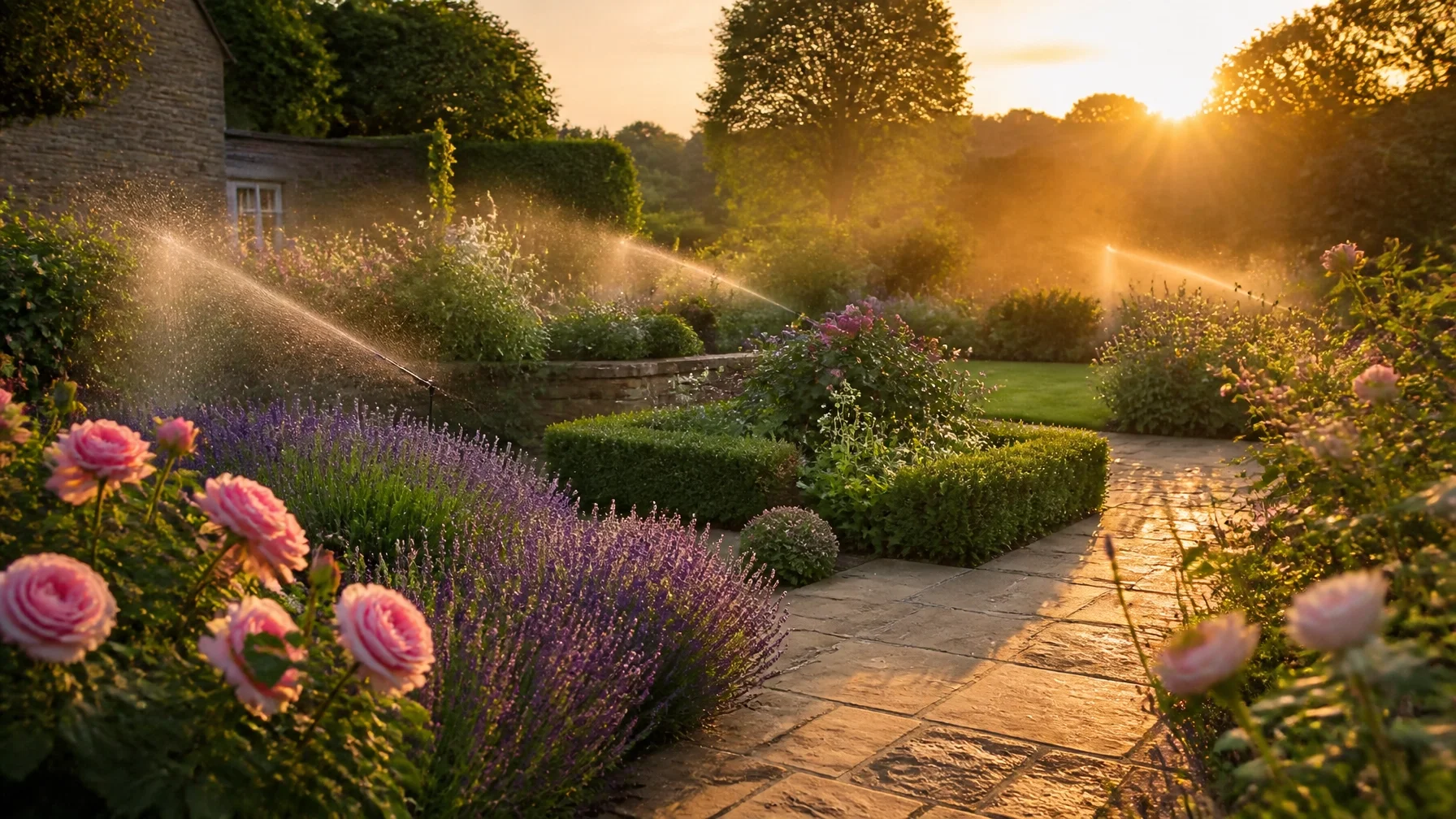
A cottage garden with pink Japanese anemones, mixed planting borders, clipped hedges, and a Cotswold stone house in Oxfordshire.

A cottage garden with pink Japanese anemones, mixed planting borders, clipped hedges, and a Cotswold stone house in Oxfordshire.

A Few Realistic Examples

To give you a rough idea of what garden maintenance might cost, here are a few typical scenarios.

If you have a small garden, you might pay somewhere between £150 and £200 a month for a half-day visit.

If you have a medium-sized garden with lawns, hedges and borders, a fortnightly visit might cost between £150 and £350, depending on the visit length.

If you have a large established garden, a full day of professional maintenance could range from £250 to £450, depending on the amount of work required.

Very large gardens or estates may require more than one gardener working together.

Is Hiring a Gardener the Right Choice for You?

Some people genuinely enjoy working in their garden, and if you have the time and knowledge, maintaining it yourself can be very rewarding.

But many homeowners find that as gardens mature, they become harder to manage.

Hiring a professional gardener can help with things like:

  • Keeping plants healthy and properly pruned

  • Maintaining lawns to a good standard

  • Managing seasonal tasks

  • Preventing small issues from becoming larger problems

For many people, the biggest benefit is simply being able to enjoy the garden without feeling overwhelmed by the work it requires.

Finding the Right Gardener

If you're thinking about hiring a gardener, it’s worth looking for someone who offers:

  • Proper insurance

  • Professional equipment

  • Clear communication about pricing

  • Reliable scheduling

  • Good reviews or recommendations

A good gardener should also be willing to walk around your garden with you and explain what it needs and why.

My Final Thoughts

Garden maintenance costs vary depending on the size and complexity of the garden, but most professional services fall somewhere within the ranges outlined above.

If you're considering hiring a gardener, the best next step is usually to speak with a local professional who can look at your garden and help you understand what level of maintenance it may require. If you’re based in Oxfordshire, most gardening companies will be happy to visit and offer guidance on what type of maintenance schedule might work best for your garden.


Frequently Asked Questions

How much does a gardener cost per hour?

In the UK, most independent gardeners charge between £25 and £45 per hour for general garden maintenance.

Professional gardening companies often have an hourly equivalent of £35 to £60 per gardener per hour, as their pricing typically includes commercial equipment, insurance, travel time, and business overheads.

Many companies prefer to charge half-day or full-day rates instead of hourly, especially for ongoing maintenance, as this allows enough time to complete several tasks efficiently.

Do gardeners charge for waste removal?

Some gardeners include a small amount of green waste removal in their price, while others charge separately if a large amount of material needs to be removed. This often depends on the amount of waste generated and local disposal costs.

Is it cheaper to hire a gardener regularly?

In many cases, yes. When a garden is maintained regularly, tasks take less time and plants stay healthier. Regular visits can prevent problems like overgrown hedges, invasive weeds or declining lawns, which can take longer to correct later.

How often should a garden be maintained?

This depends on the size and complexity of your garden. Many homeowners choose fortnightly visits while Larger or more established gardens may benefit from more regular care.

Read More
Root & Wild Root & Wild

Why Winter Gardens Matter. Simple Ways to Support Wildlife This Winter

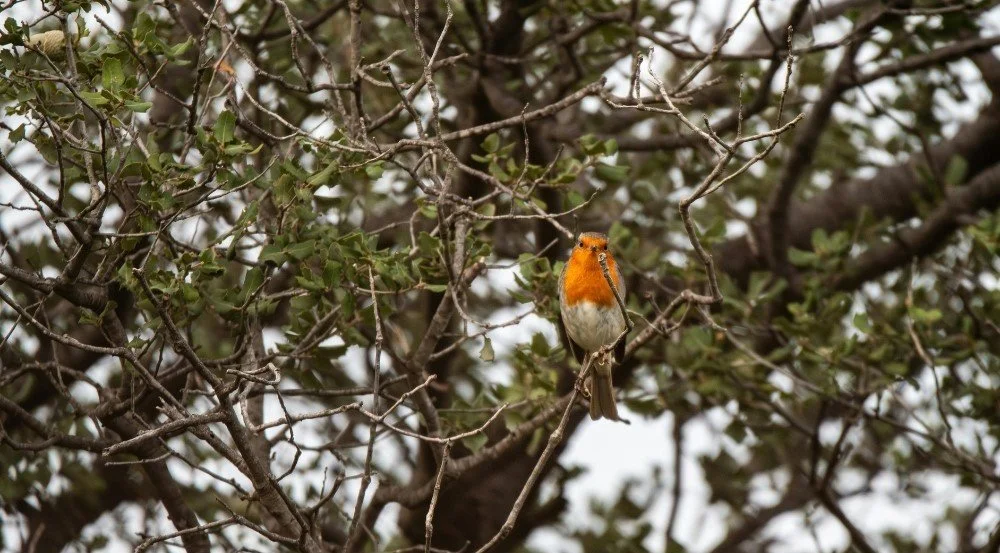
Winter has a way of slowing everything down, but that doesn’t mean the garden is empty. A few days ago, a Facebook memory popped up — a little robin rummaging through the leaves while we were working in a client’s garden years ago. It was one of those damp, cold days where you can’t quite remember what warm toes feel like, yet watching that robin getting on with its day was strangely comforting.

Moments like that are easy to miss in winter, but they’re exactly why this season still matters in the garden. With Christmas just around the corner, we’re sharing a few simple ways to support the birds and hedgehogs that rely on our outdoor spaces — and to help you enjoy the quieter beauty of your garden this time of year.
Winter has a habit of slowing everything down. The days get shorter, the light softens, and most gardens settle into a quiet rhythm that feels completely different to the buzz of spring and summer. But even with all that stillness, there’s more going on out there than people often realise — and some of the nicest moments happen when you’re not really expecting them.

A few days ago, a Facebook memory popped up from a garden we were working in a few years back. It was just a short video of a robin rummaging around in the leaves. Nothing dramatic, but it stopped me for a moment. It was one of those damp, cold days where you feel like you’ve forgotten what warm toes feel like, yet watching that little bird getting on with its day was cheering. Winter has a way of doing that — surprising you.

And that’s really what this post is about. Winter gardens still matter, even if they look quieter on the surface. With Christmas around the corner, we wanted to share a few simple things you can do to give wildlife a bit of a hand — and maybe help you enjoy your garden a bit more as well.


The quiet importance of winter habitats

When people think about wildlife-friendly gardening, it’s usually spring or summer that comes to mind. But winter is just as important, especially for birds and hedgehogs.

Garden birds are incredibly active in winter. Short days mean less time to find food, and natural supplies run low, so you suddenly start seeing robins, blackbirds, and tits a lot more. They’re not just part of the “Christmas card” scene — they’re working hard to get enough to eat.

Hedgehogs, meanwhile, are either hibernating or slowing right down. Even in well-kept gardens, they rely on small sheltered spots to stay safe and warm. And tiny details in how a garden is looked after can make a real difference.

These are also the sorts of things we keep an eye on during our winter visits — little adjustments here and there to keep the garden healthy and wildlife-friendly, while still looking tidy and cared for.

The nice part is: you don’t need to overhaul your garden to help. A few small choices go a long way.


Create small log and leaf piles in discreet areas

One of the easiest and most effective things you can do is set aside a small, purposeful space for nature — just a corner, somewhere out of the way.

You don’t need to leave the whole garden untidy. The gardens we look after stay neat and well-presented all year. But a small log pile or a quiet leaf pile in the right spot can give hedgehogs and insects exactly what they need to get through winter.

These little areas offer:

  • Warm, sheltered pockets for hedgehogs

  • Safe places for insects, which birds will rely on later

  • A tiny boost to the overall health of the garden

It’s a small gesture, and one that blends in easily with a well-managed space.


Put out bird feed (and keep it consistent)

If you enjoy having birds in the garden — especially robins — putting out food through the winter is one of the biggest helps.

A few good options:

  • Sunflower hearts

  • Suet blocks

  • Mealworms

  • A quality seed mix

Fresh water is just as important, especially when frost turns everything solid.

One thing worth saying: consistency really matters. Once birds realise they can trust your garden as a regular food stop, they’ll keep coming back. It becomes a small routine of its own, and on the cold grey mornings, seeing that flash of movement or hearing a bit of song is alwaysy uplifting.


Enjoying your garden in winter

It’s easy to think winter is the “off-season” for gardens, but there’s something really calming about stepping outside this time of year. With less to do, you can just take it in.

Like us, you might notice:

  • The shape of the borders more clearly

  • The silhouettes of branches

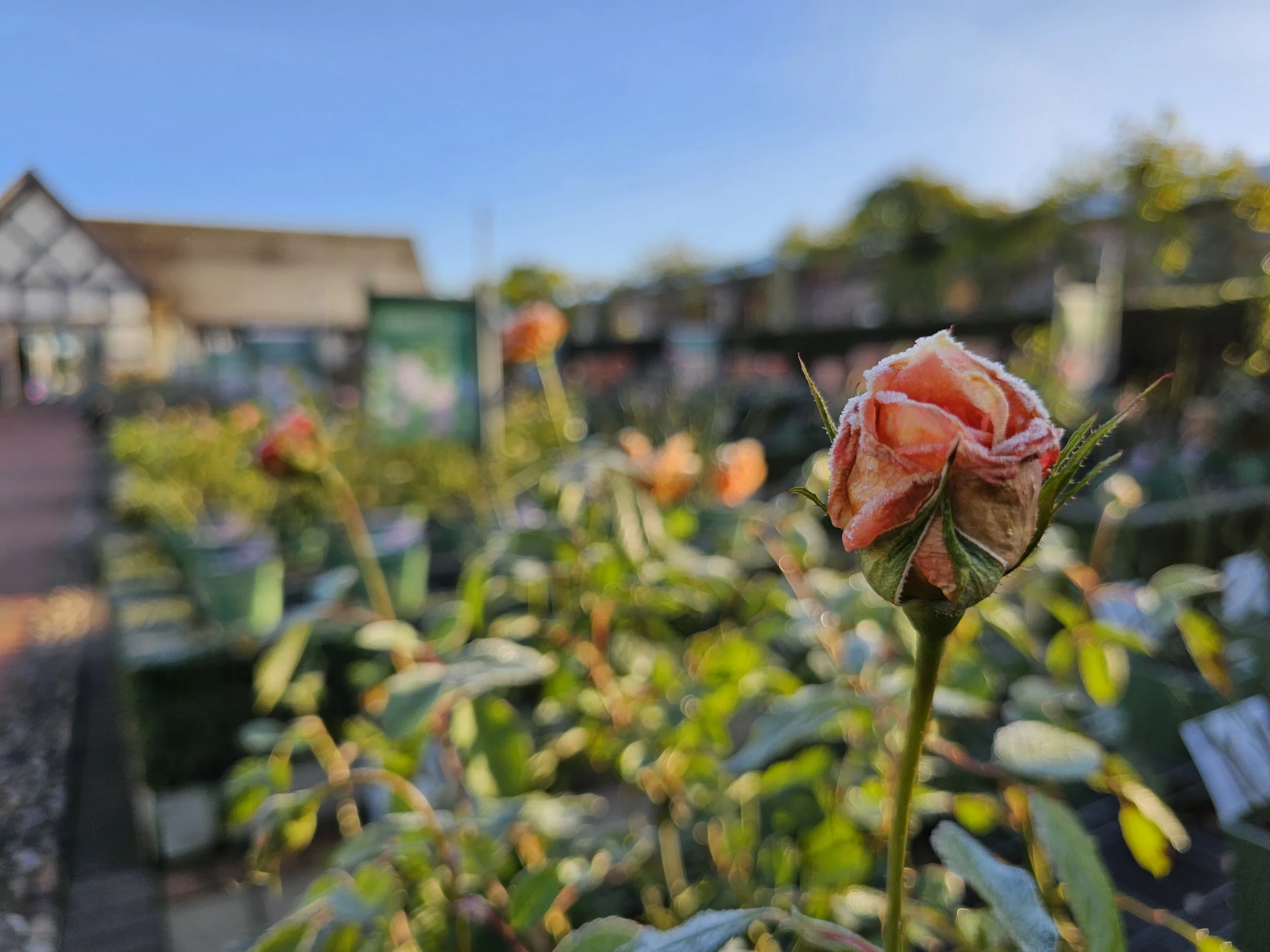
  • Frost picking out little details you don’t see in summer

  • Birds behaving differently, with more purpose

Winter slows everything down, and there’s something grounding about that. A quiet moment in the garden — with a hot drink, or even if it’s just while you’re putting the bins out — can be surprisingly nice.


With Christmas nearly here, we want to encourage you to enjoy your garden just as it is, peaceful, slower, and still full of life in its own way. A few simple actions can make a big difference to the wildlife that depends on it, and in return, you get those small, warming moments that make winter feel a little more special.

From all of us at Root & Wild, we wish you a happy, peaceful Christmas season — and plenty of small highlights in your winter garden.

Read More
Root & Wild Root & Wild

Among the Roses: Root & Wild’s Training Day at David Austin

Last week, the Root & Wild team spent the day at David Austin Roses in Shropshire for specialist rose training. From expert planting tips to pruning techniques and an unexpected mix-up on arrival, it was a day full of learning, laughter and inspiration — all helping us bring even better rose care to our clients’ gardens.

Last Friday, the three of us – Maria, Zoe, and I – took a trip up to Shropshire for a day of rose-filled learning at David Austin Roses, the home of some of the world’s most admired blooms. The setting was as beautiful as you’d expect: a relaxed and informative atmosphere surrounded by immaculate gardens, the soft scent of roses, and the quiet hum of gardeners sharing the same passion.

Our training was led by Millie, part of David Austin’s expert team, who shared a wealth of knowledge on how to best support the planting and development of new roses in any setting. We explored the benefits of using mycorrhizal fungi to encourage healthy root development and strengthen the natural relationship between the rose and its soil—giving each plant the best possible start.

Beyond planting, we dived deep into the art of pruning and shaping different varieties—shrub, rambling, and climbing—and learned how to care for each one throughout the year. From feeding schedules to long-term maintenance, it was a reminder that even the most timeless plants benefit from thoughtful, ongoing care.

Of course, no good story comes without a laugh or two. When we first arrived, a friendly member of staff mistook us for David Austin employees. Before we could say a word, she’d welcomed us to the training room, offered coffee, handed us extra course materials, and kindly asked us to sit quietly at the back so we didn’t “interfere with the attendees.” We were still puzzling over this – and starting to feel rather hungry – when she popped back to say the guests were just finishing breakfast. Realising the mix-up a few moments later, she reappeared red-faced but laughing, ushering us to the café for the breakfast we’d apparently earned after all. The story spread quickly, and by mid-morning, even the rose experts were chuckling about it.

Courses like this keep our skills sharp and our knowledge current. They’re a reflection of Root & Wild’s philosophy of continual learning and development, ensuring every garden we care for benefits from the latest understanding and best practices. Whether it’s planting new roses, restoring established beds, or nurturing gardens through the seasons, we’re always finding new ways to help our clients truly smell the roses.

Read More