Is Your Garden Getting Enough to Drink? Why Irrigation Matters in an Oxfordshire Heatwave
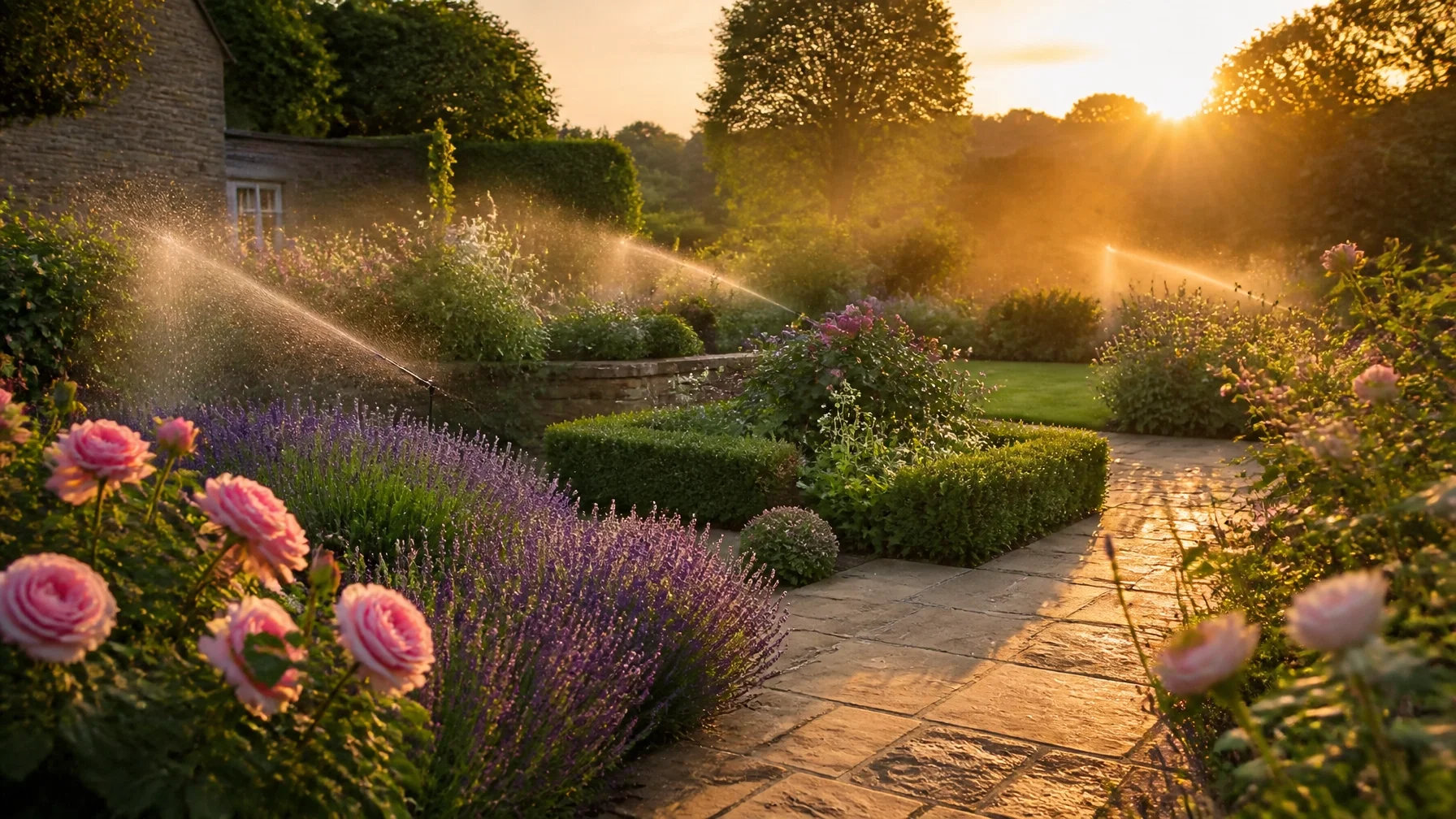
Oxfordshire summers are increasingly defined by periods of intense heat and prolonged dry spells. While we often welcome the sunshine, the impact on our local landscapes can be significant and, at times, distressing for those who take pride in their outdoor spaces.
When temperatures rise and the rain stops, your garden enters a state of survival. The lush greens of spring can quickly give way to parched browns, and established borders can begin to look tired and neglected. Understanding the nuances of garden hydration is essential for any homeowner looking to preserve the health and longevity of their plants.
In this guide, we will explore the critical role of irrigation during an Oxfordshire heatwave. We will discuss how to identify the subtle signs of thirst in your plants and why a consistent approach to watering is more effective than a reactive, heavy soak.
Recognizing the Early Signs of Heat Stress
It is a common misconception that a plant only needs water when it is visibly drooping. In reality, by the time a plant exhibits significant wilting, it is already under considerable physiological stress. This stress can weaken its immune system, making it more susceptible to pests and diseases later in the season.
One of the most reliable ways to check your garden’s health is the "finger test." Simply insert your finger into the soil near the base of a plant, roughly five centimetres deep. If the soil at this depth feels dry and dusty, the roots are likely struggling to find moisture, regardless of how the foliage appears.
You may also notice that some plants exhibit a temporary midday "slump." This is often a natural defense mechanism where the plant reduces surface area to prevent moisture loss through its leaves. However, if the plant does not recover its turgidity by the following morning, it is a clear indication that the soil moisture levels are insufficient.
Identifying Thirsty Clay Soils
Oxfordshire is known for its heavy clay and clay-loam soils. While these soil types are excellent at retaining nutrients and moisture during standard weather, they present unique challenges during a heatwave. Once clay soil dries out completely, it becomes hydrophobic, meaning it actually repels water rather than absorbing it.
If you see deep cracks appearing in your lawn or borders, the soil structure has reached a critical point of dryness. In these instances, a quick sprinkle with a hose will likely result in water running off the surface and into the drains, rather than reaching the root zones where it is needed most.
Consistent irrigation prevents the soil from reaching this "baked" state. By maintaining a baseline of moisture, you ensure the soil remains porous and receptive to water, whether it comes from a watering can or a much-needed summer rain shower.
The Science of Consistency Over Crisis Watering
Many gardeners fall into the trap of "crisis watering." This involves waiting until the garden looks severely parched and then delivering a heavy, prolonged soak in an attempt to rectify the situation. While well-intentioned, this approach can be counterproductive.
Sudden floods of water can shock a plant's system and, in heavy clay, can lead to localized "puddling" which may actually rot sensitive roots. The more effective strategy is a consistent, scheduled approach to irrigation.
Consistent watering mimics the plant’s natural environment more closely. It allows the plant to maintain a steady rate of photosynthesis and growth, rather than fluctuating between states of extreme thirst and sudden saturation. This stability is what allows a garden to thrive and remain vibrant even when the mercury rises.
Is Drip Irrigation Worth It?
For many Oxfordshire gardens, drip irrigation is worth considering if you want to reduce waste and water more consistently. Unlike sprinklers, which lose water to wind and evaporation, drip systems apply water slowly at soil level, close to the root zone.
This makes them particularly useful during a heatwave, when efficiency matters most. Beds, borders, greenhouses, raised planters, and newly planted areas tend to benefit the most. In reality, a drip system is not essential for every garden, but it can be a practical solution if hand watering is difficult to keep up with.
The main drawbacks are the initial setup, occasional blockages, and the need to check that all emitters are working properly. However, if you have a larger garden, dry borders, or long periods away from home, the encouraging news is that a simple drip setup can make watering more precise and less time-consuming.
What Is the Best Time of Day to Water?
The best time to water is early in the morning, before the day becomes hot. At that point, the soil is cooler, evaporation is lower, and plants have time to absorb moisture before the afternoon heat places them under stress.
If morning is not possible, early evening is usually the next best option. However, leaves and soil surfaces may stay damp for longer overnight, which can sometimes encourage fungal problems in crowded planting. Midday watering is not ideal, but if a plant is clearly struggling, it is better to water properly than to wait too long out of principle.
Should You Water Every Day During a Heatwave?
Not usually. Daily light watering often wets only the top layer of soil, which encourages shallow roots and leaves plants more vulnerable once the surface dries again.
A better approach is to water thoroughly and then allow moisture to move deeper into the soil profile. How often that is needed depends on the soil, the weather, and the type of planting. Containers may need water every day or even twice a day in very hot spells, while established shrubs in the ground may need a deeper soak only every few days.
In reality, the right question is not "Should I water every day?" but "Has the root zone actually dried out?" Checking the soil is more reliable than following a rigid schedule.
What Are the Signs of Underwatering vs Overwatering?
Underwatering and overwatering can look surprisingly similar at first. Both can cause wilting, yellowing, and a general loss of vigour. The difference is usually found in the soil and the pattern of decline.
Underwatered plants often have dry, crumbly soil, curled or crispy leaf edges, dull foliage, and flowers that fade quickly. Growth may slow, and the plant may wilt during the day and fail to recover by morning.
Overwatered plants tend to sit in persistently wet soil. Leaves may turn pale yellow, feel soft rather than crisp, and drop off prematurely. You may also notice a sour smell from the soil, algae on the surface, or signs of root rot if the problem has continued for some time.
If you are unsure which issue you are dealing with, check the soil before adding more water. In heavy Oxfordshire clay, poor drainage can sometimes mimic drought stress because roots cannot function properly in waterlogged ground.
Why Every Drop Counts for Local Biodiversity
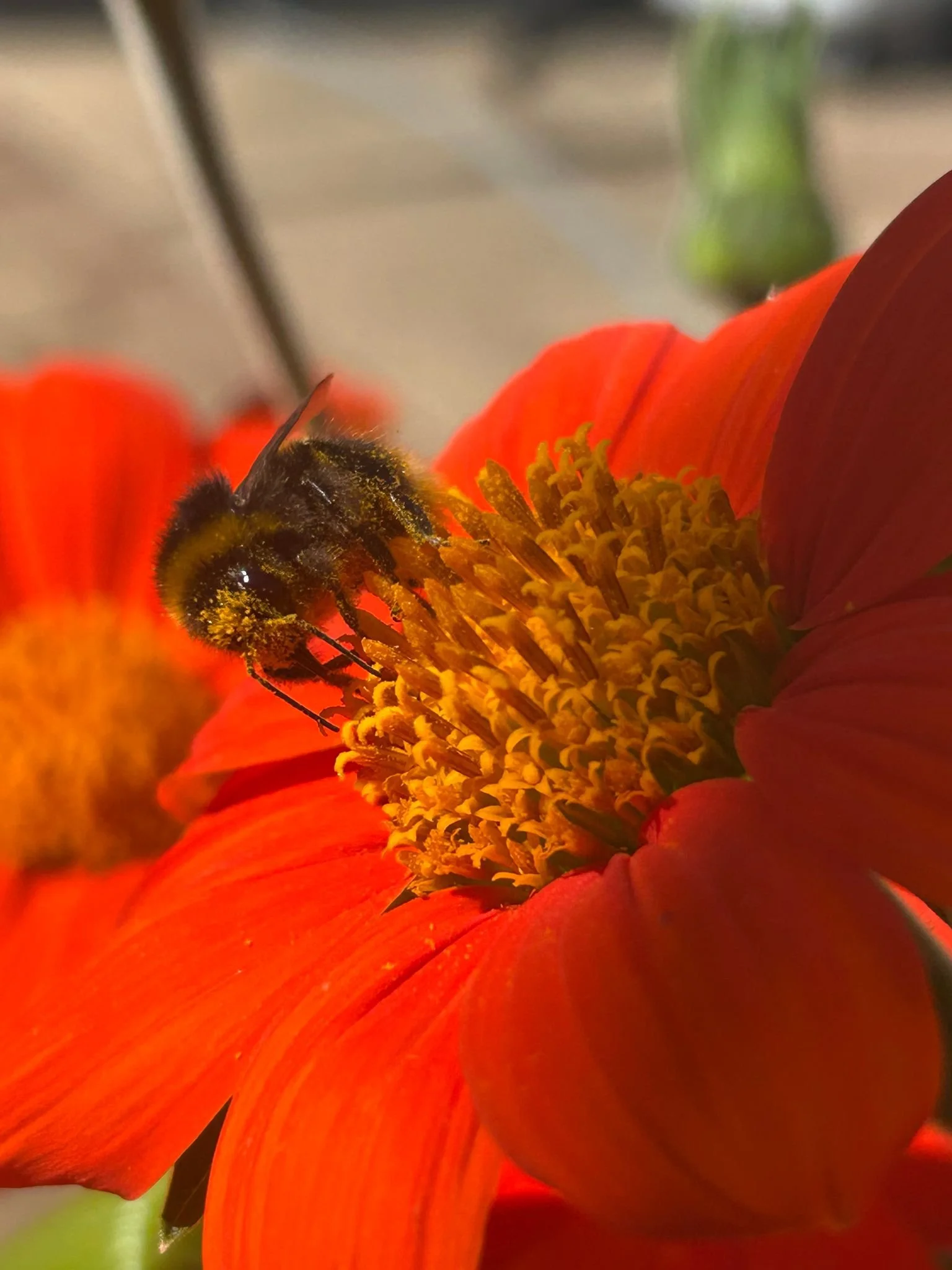
A well-watered garden supports more than the plants you notice first. During a heatwave, pollinators, birds, and beneficial insects all depend on healthy planting for shade, nectar, and shelter.
When borders dry out too severely, flowering often shortens, nectar production can fall, and habitat value declines. However, thoughtful watering helps the garden remain stable for longer, especially when it is directed at the plants and soil that need it most.
Final Thoughts
The encouraging news is that most watering problems become easier to manage once you stop guessing and start observing. Check the soil, look for patterns in the foliage, and adjust your routine according to the weather, the soil type, and the needs of each part of the garden.
During an Oxfordshire heatwave, the goal is not to water constantly. It is to water effectively. When moisture reaches the root zone at the right time and in the right quantity, plants are better able to cope with stress, and the garden remains healthier for longer.